Ready to become a model?
Then you need to know the ins and outs.
IDENTIFY YOUR MODELLING PATH.
Before jumping in at the deep end, it’s essential to understand where you want to position yourself within the modeling industry. Each category of modeling operates under its own set of industry standards, expectations, and requirements. Taking the time to research these standards will help you identify where you align best, allowing you to focus your efforts strategically and significantly increase your chances of securing work opportunities.
bUILD YOUR PROFESSIONAL PORTFOLIO.
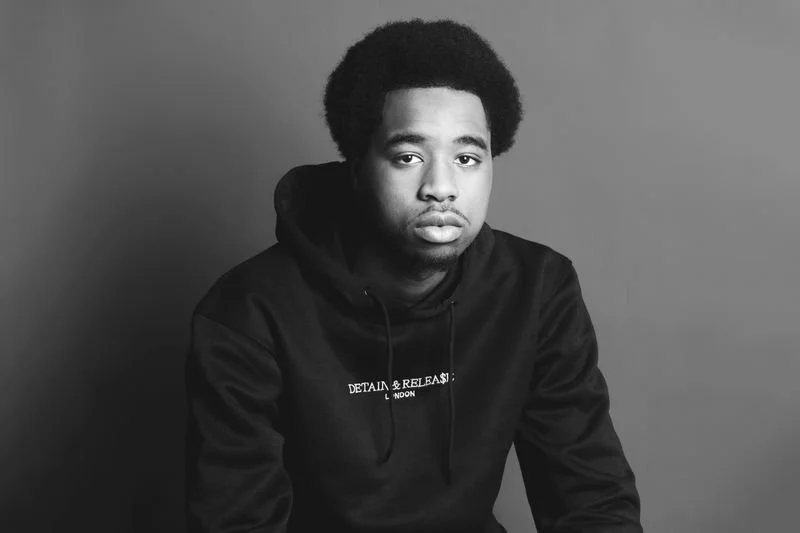
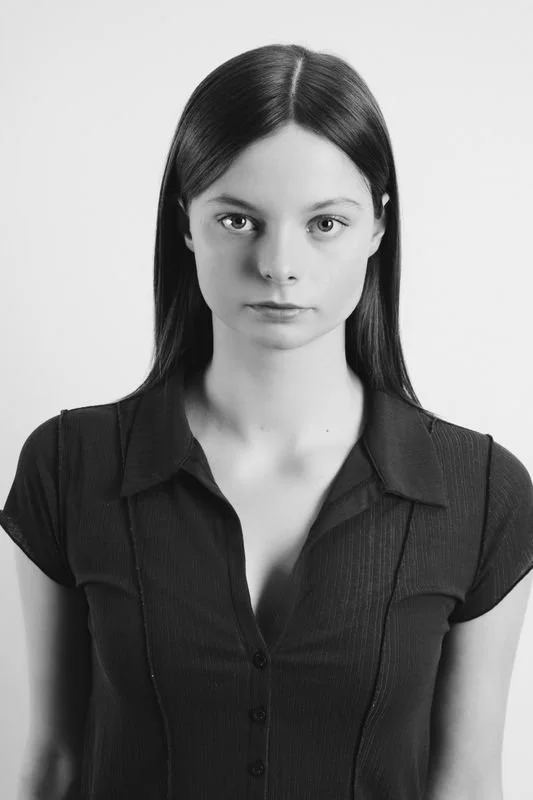
Applying for modeling roles without a portfolio is like applying for a job without a CV. Success in the industry requires proactivity, drive, and a clear commitment to your career. A strong portfolio demonstrates your professionalism and potential to agencies and clients alike. It should be high-quality, featuring clean digital images shot in natural lighting with minimal makeup. Your portfolio must showcase a range of expressions and angles and, most importantly, align with your chosen modeling path - this is where we can help!
RESEARCH & CONTACT AGENCIES THAT ALIGN WITH YOUR MODELLING Career Goals.
Researching modeling agencies can feel overwhelming, which is why it’s important to choose carefully. Before applying to the first agency you come across, take the time to ensure they represent models within your category. Ask yourself, “Do I belong here?” and consider whether the agency aligns with your long-term career vision. A thoughtful approach now can make all the difference later.
PREPARE FOR CASTINGS AND INTERVIEWS.
Personality and charisma go a long way in the modeling industry, where first impressions truly matter. Modeling is a business, and professionalism is essential—be polite, present yourself sharply, and approach every interaction with confidence and respect.
BUILD YOUR PERSONAL BRAND.
Being a model is about more than posing in front of a camera. When booked for a job, it’s not only your look that matters, but the presence and energy you bring. Social media can be a powerful tool in accelerating your career—when used authentically and professionally. Let your personality shine, because agencies notice influence, not just follower numbers.
STAY PRESENT, CONSISTANT & RESILIENT.
Rejection is a natural part of the modeling process. Continuously work to refine your craft, keep your portfolio up to date, and remain open to constructive feedback. Don’t let rejection discourage you—it isn’t a step backward. Stay patient, stay persistent, and keep moving forward. Trust in your abilities and remember that you are good at what you do..
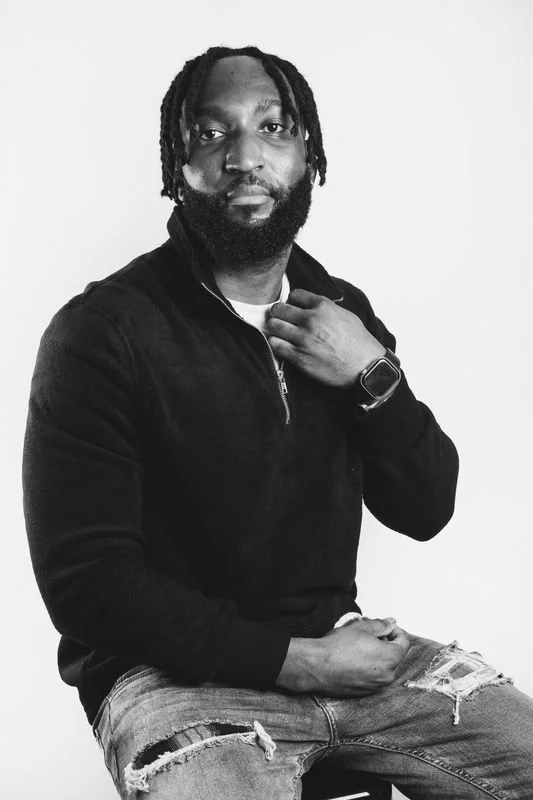
WHAT
TYPE
OF MODEL are YOU?
COMMERCIAL
FASHION / EDITORIAL
PARTS MODELING
PETITE
PLUS - SIZE
ALTERNATIVE
E-COMMERCE
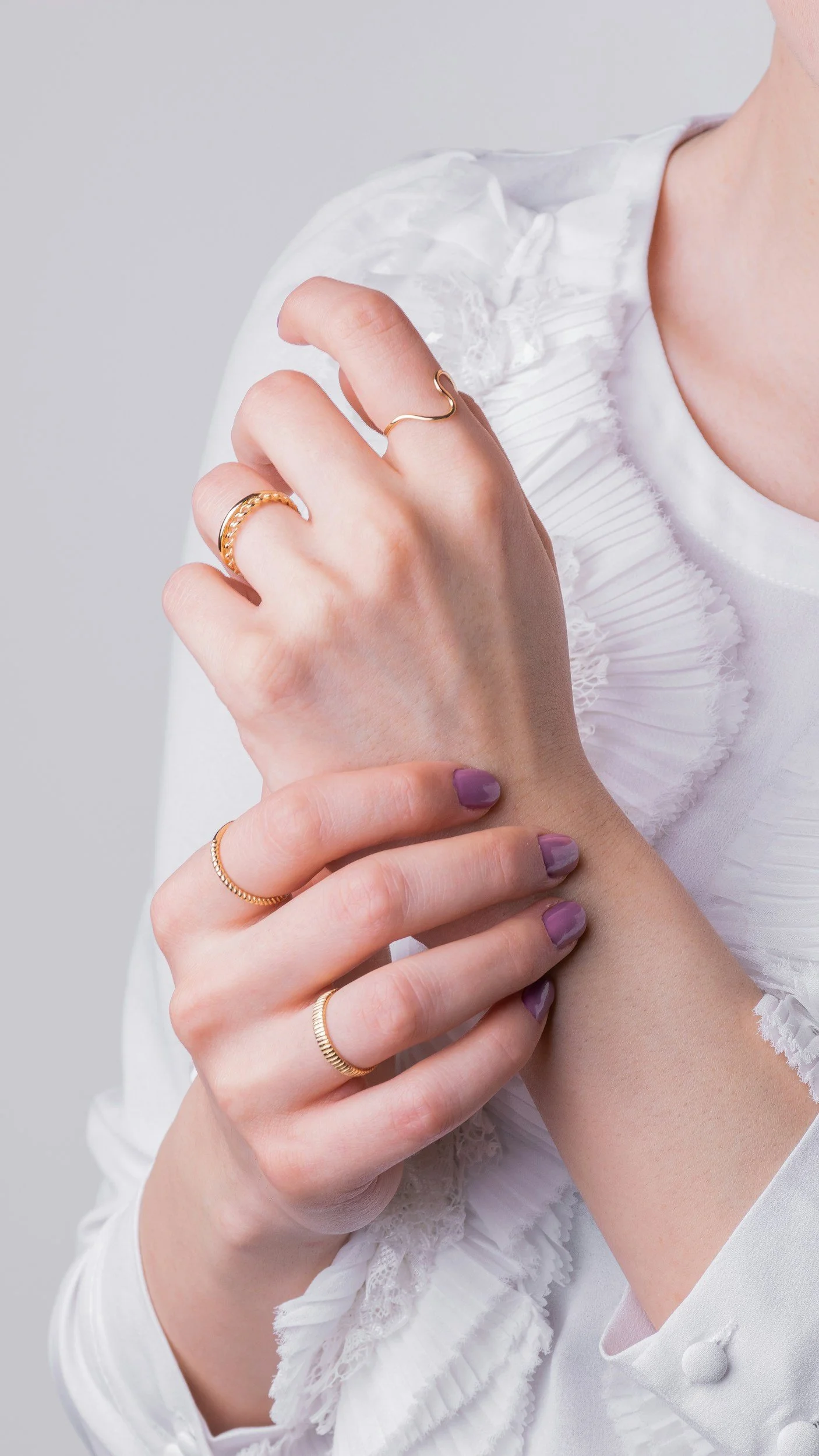
PARTS MODELLING
Parts Modeling focuses on specific body parts—such as hands, feet, legs, or even hair—for advertising, catalogs, and commercials. Agencies have strict requirements for these roles, emphasizing flawless skin, well-groomed nails, symmetry, and overall proportion. Models must maintain their body part in top condition, as even minor imperfections can be highly visible on camera.Clients seek models whose features align closely with their brand image, minimizing the need for retouching or adjustments. Consistency is crucial, as the focus is entirely on the product or the body part being highlighted. Agencies prioritize models with hands, feet, or other parts that photograph well, move gracefully, and can convey elegance, beauty, or style according to the campaign’s needs.
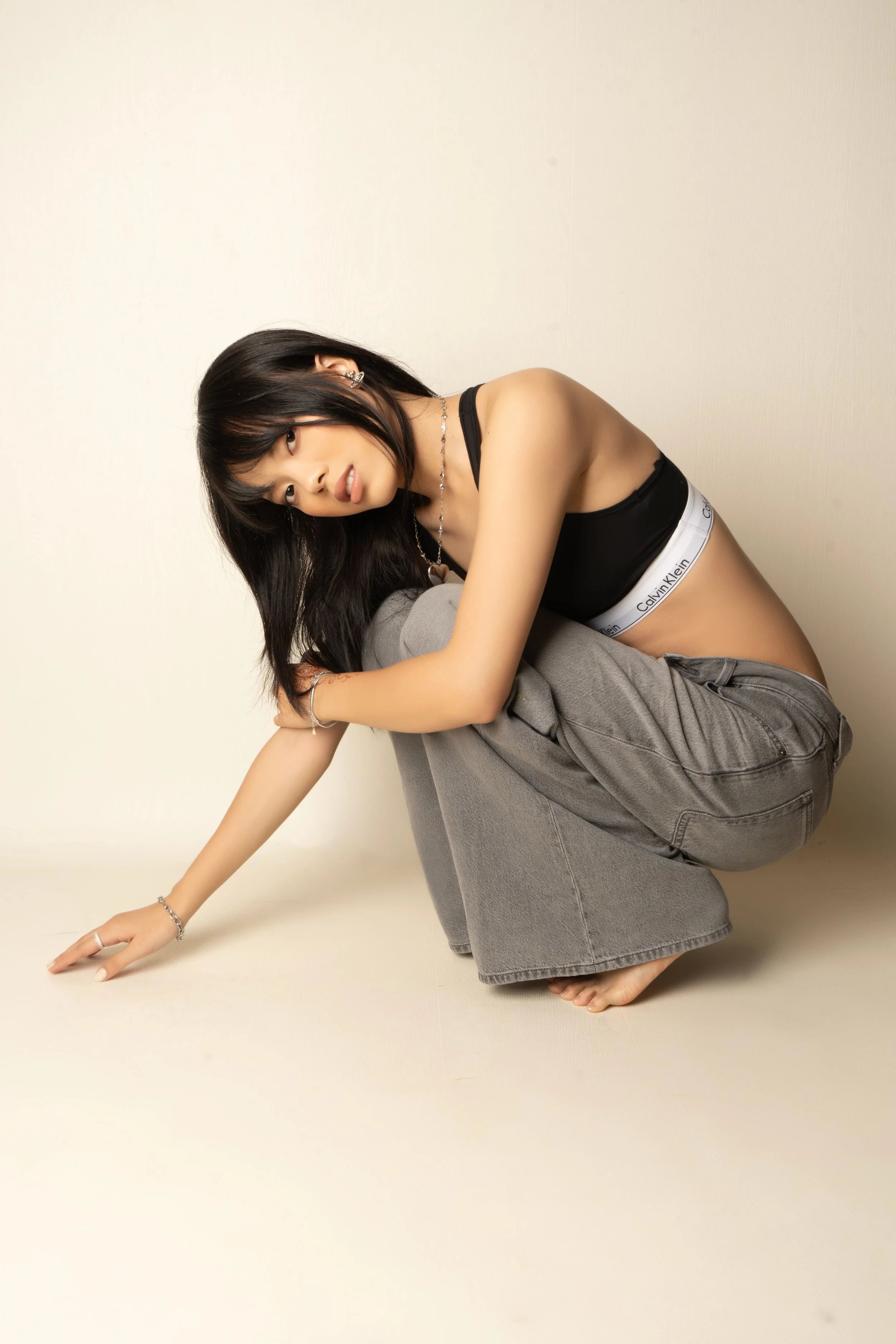
PETITE
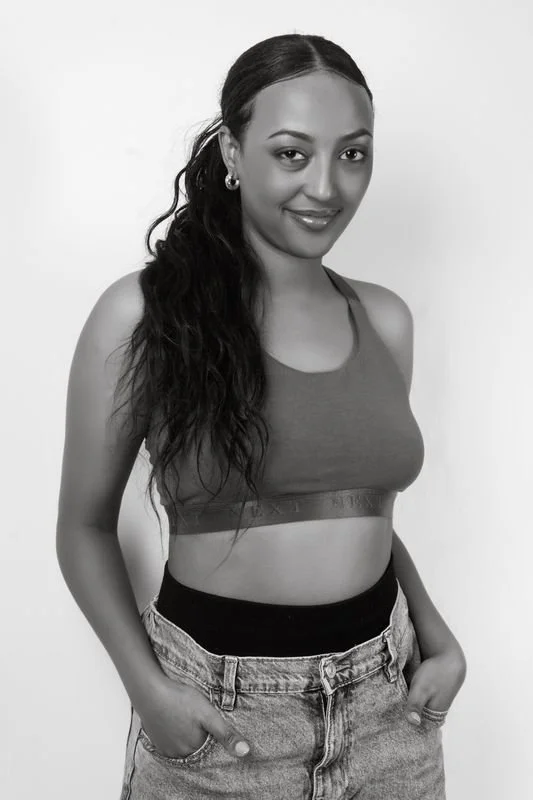
Petite models typically range under 5’7” and are increasingly in demand as brands aim to better reflect real-world body diversity. High-street and lifestyle brands are now creating dedicated petite sections in stores and online, and using petite models in campaigns helps customers visualize how clothing fits on a shorter frame. Agencies look for proportional, well-balanced features, and the ability to showcase garments in a way that is flattering and true-to-size. By using petite models, clients provide a more realistic and relatable shopping experience, ensuring consistency across campaigns and maintaining focus on the product.
PLUS - SIZE
Plus-size modeling represents a fuller range of body types, helping brands showcase clothing for curvier customers. It is increasingly in demand as high-street stores create collections specifically tailored for more curvaceous figures. Agencies are signing plus-size models, allowing them to feature in magazines, major campaigns, and runway shows. Agencies typically look for models who are 14–22 (UK), with a well-proportioned, healthy figure. Height is more flexible than in high-fashion modeling, generally ranging from 5’7”–6’0”. Models who have the ability to present clothing in a flattering, relatable way are highly valued, helping brands create a realistic and inclusive shopping experience.
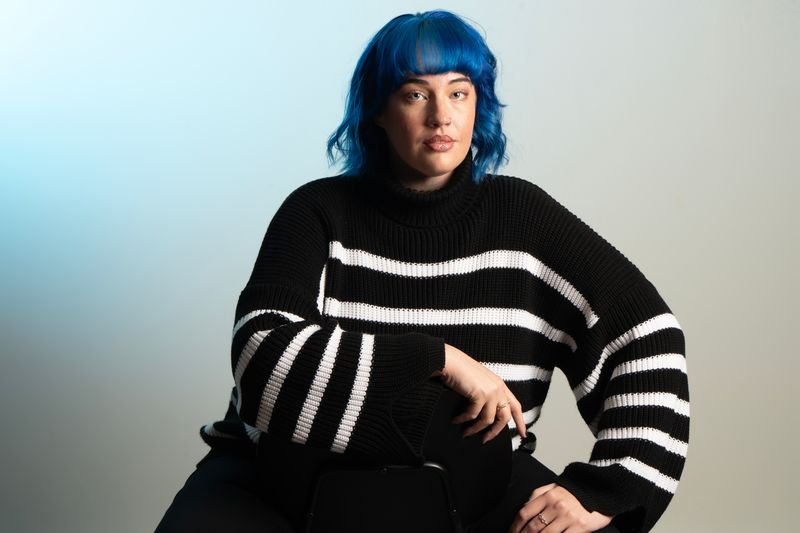
ALTERNATIVE
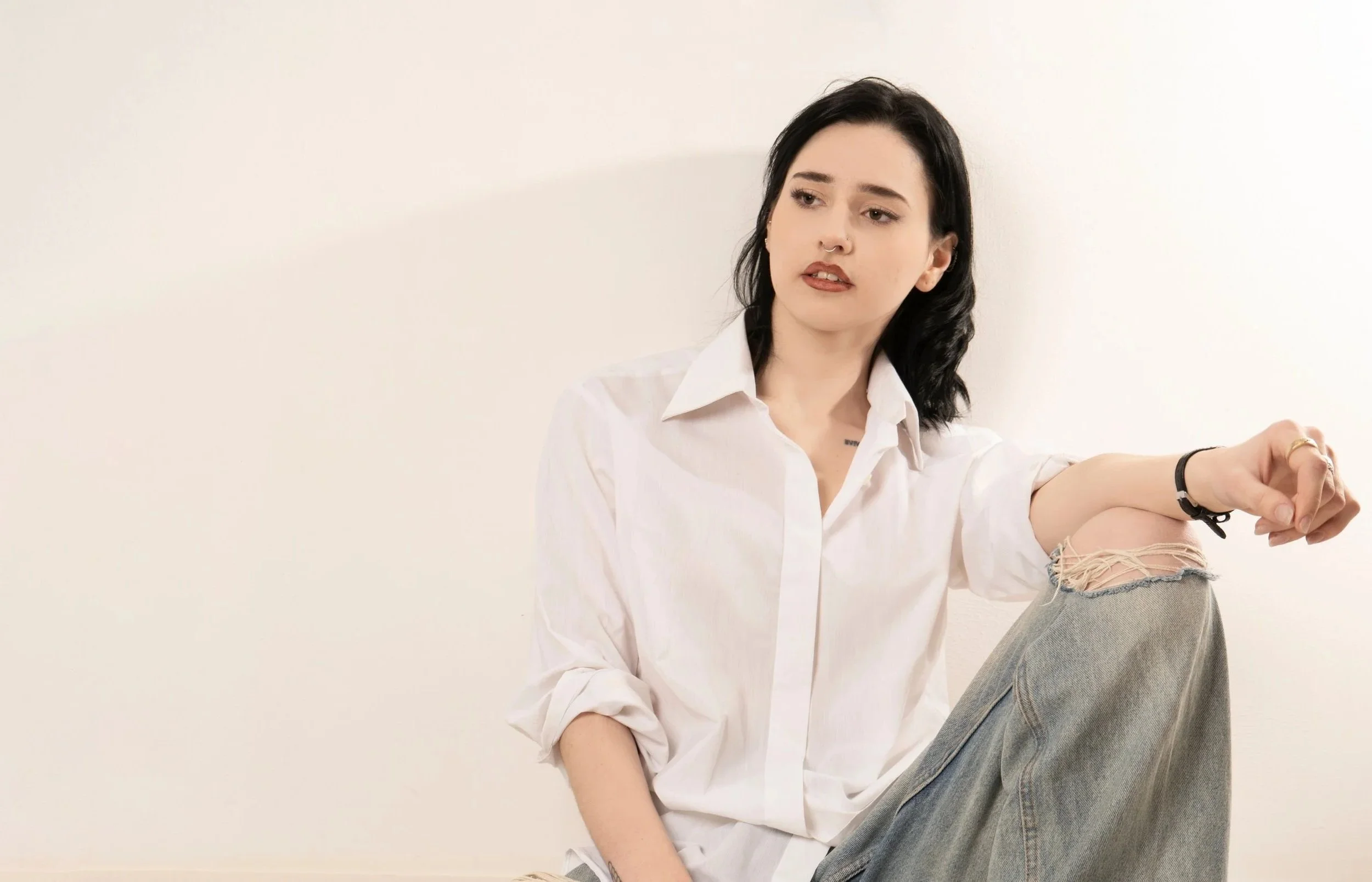
Alternative modeling focuses on showcasing unique aesthetics, such as tattoos, piercings, and other body art, often for campaigns, magazines, and lifestyle brands that celebrate individuality and creativity. While not as widely in demand as traditional modeling categories, the industry has evolved, tattoos and piercings are no longer viewed as disadvantages by agencies. Requirements for alternative models are more flexible than other categories, with agencies primarily seeking individuals who are confident, expressive, and passionate about their art or personal style - allowing brands to connect with niche audiences and celebrate creativity in their campaigns.
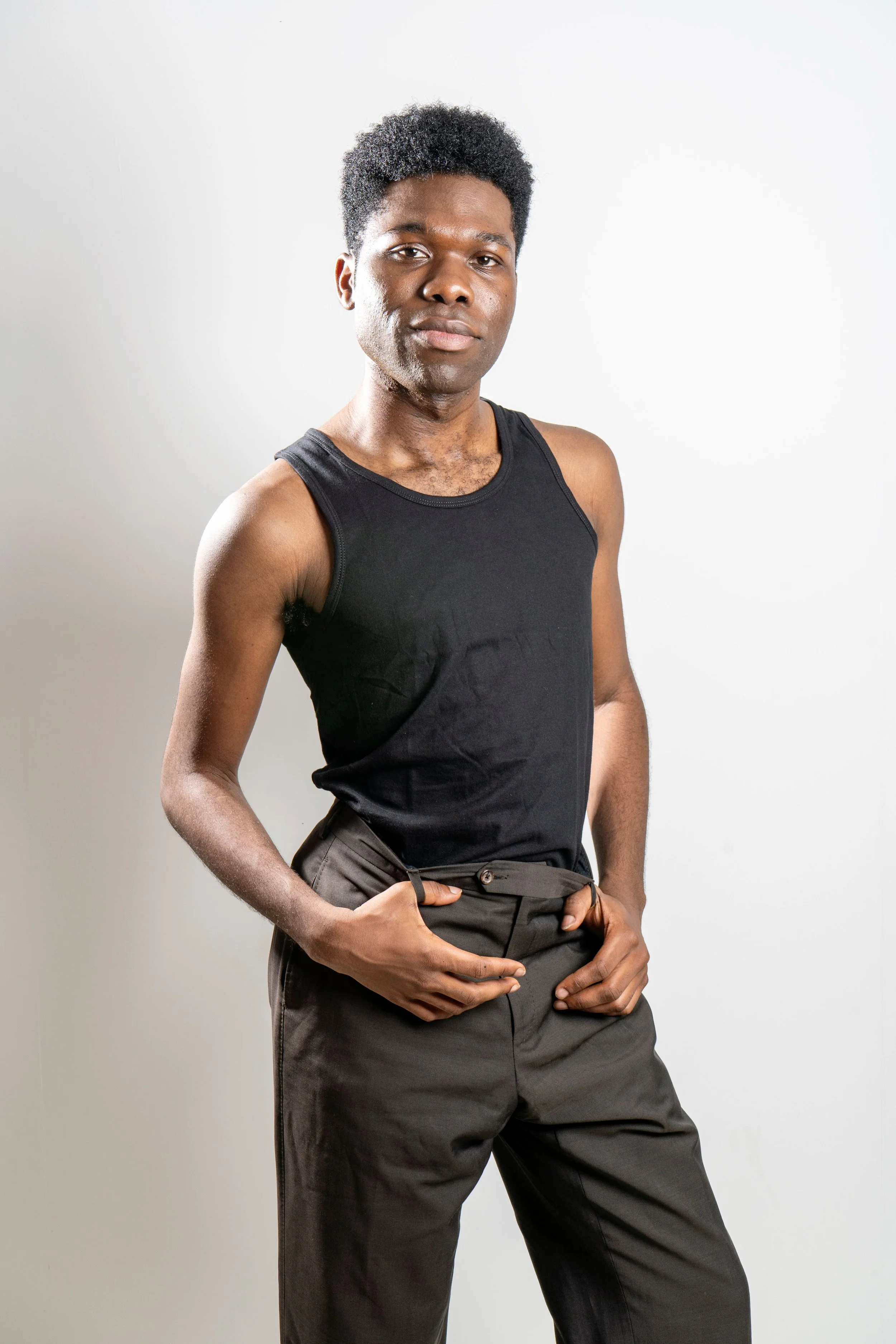
COMMERICAL
Commercial modeling is primarily used by clients to advertise products, such as toiletries, cosmetics, clothing, or lifestyle items. In this role, you are chosen to be the face of a brand or product, representing it in a relatable and appealing way. Unlike high-fashion modeling, commercial modeling often has fewer strict requirements, making it more accessible to a wide range of looks and types. While it may not carry the same glamour as runway or editorial work, commercial modeling can lead to a longer, more stable, and often highly successful career.
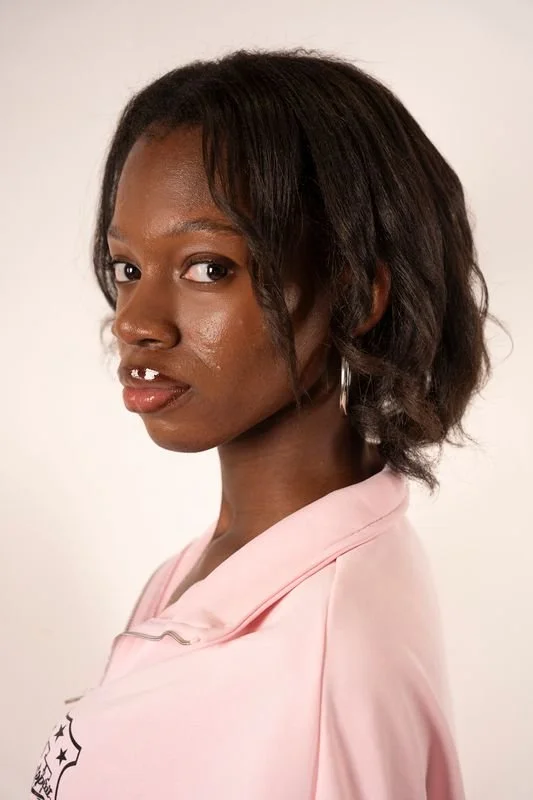
FASHION / EDITORIAL
High-fashion models are those you see walking runways and appearing in luxury fashion magazines. Agencies have stricter requirements for these roles, favoring a slender build and specific measurements. While this market is more competitive, it is not unattainable for models whose portfolios align with these standards. The stricter requirements exist because high-fashion garments are often designed to fit a precise silhouette, minimizing the need for alterations. Clients in this market typically seek models who meet their criteria with minimal adjustments, ensuring consistency across runway shows and keeping the focus on the clothing rather than the fit.
E- COMMERCE MODELLING
There has never been a better time to become a commercial or e-commerce model. Fashion and lifestyle companies are in constant demand, and agencies typically have fewer strict requirements for height or body frame than high-fashion modeling, often favoring a relatable, attainable look. Thousands of clothing brands now use catalogues and online stores to sell their ranges, a number that has grown significantly with the rise of e-commerce, allowing companies of any size to reach customers digitally. Unlike high-fashion modeling, commercial and catalogue models are more likely to receive ongoing work, as brands often book them for entire seasons, shooting multiple images over several days or even weeks. Consistency, professionalism, and the ability to showcase products in a natural and appealing way are key qualities clients look for in this market.